My dearest #MentalMonday❤️🧠reader, Hapoy new month😊. It’s been a while, hasn’t it? Life has a funny way of pulling us in different directions, and sometimes, finding the time and inspiration to write can feel like a daunting task. But here I am, back and ready to reconnect with you! I’ve missed sharing thoughts, stories, and insights, and I can’t wait to dive back into our conversations. Whether you’re a long-time reader or new to this space, I’m excited to share what’s been on my mind and hear your thoughts in return. Thank you for your patience and for being part of this journey. Let’s explore together once more! And for today’s #MentalMonday❤️🧠, it would be a great injustice if we didn’t look at how men also face abuse. So why not get into it, while we still have the buzz from celebrating International Men’s Day and also painting life orange with the 16 Days of Activism against GBV.
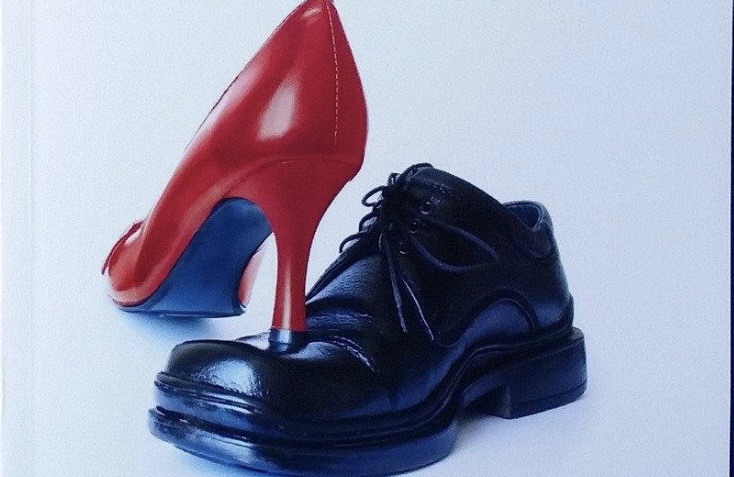
In the vibrant and rich life of the African culture, where the rich heritage often intertwines with deeply rooted traditions, the subject of gender-based violence (GBV) and intimate partner violence (IPV) emerges as a multifaceted narrative—one that is frequently told through the lens of women’s experiences. However, an often-overlooked aspect is the plight of men, who, despite societal perceptions of masculinity, also fall victim to these insidious forms of violence, profoundly impacting their mental health. In many communities, the archetype of the stoic man prevails, a figure who embodies strength, resilience, and emotional fortitude. This cultural construct can create an environment where men feel compelled to suppress their vulnerabilities, leading to an alarming silence surrounding their suffering. The stigma attached to male victimhood in GBV and IPV is palpable; men are often ridiculed or dismissed when they speak out about their experiences. This societal pressure not only silences their voices but also exacerbates their mental health struggles, leading to feelings of isolation, shame, and despair.
Africa, with its diverse cultures and traditions, presents a complex backdrop where notions of masculinity and femininity are intricately woven into the fabric of daily life. In many societies, the expectations placed upon men can be suffocating. They are often seen as the primary providers, tasked with the duty to protect their families while adhering to traditional gender roles. When faced with violence—be it physical, emotional, or psychological—men may grapple with a profound sense of failure, not only in the eyes of their families but also within their communities. The cultural narrative often glorifies male dominance, which can inadvertently perpetuate cycles of emotional abuse. Men may experience manipulation, control, or verbal degradation from partners, yet societal norms often dictate that they should endure such treatment in silence. This emotional abuse, though less visible than physical violence, is equally damaging. It erodes self-esteem and can lead to severe mental health consequences, including depression and anxiety.
The repercussions of GBV and IPV on men extend far beyond the immediate physical harm. The mental health toll is significant, yet frequently neglected in discussions surrounding these issues. Studies indicate that men who experience violence are at a higher risk of developing mental health disorders. The stigma surrounding male victimhood can prevent them from seeking help, perpetuating a cycle of suffering. Men may turn to unhealthy coping mechanisms—substance abuse, aggression, or withdrawal—further alienating them from supportive networks. The pressure to conform to societal expectations of masculinity can exacerbate feelings of inadequacy and despair, creating a chasm of mental anguish that remains largely unaddressed.
To foster a more inclusive dialogue about GBV and IPV, it is imperative to recognize that men, too, can be victims. Challenging the cultural narratives that reinforce toxic masculinity is crucial. It requires a concerted effort from communities, policymakers, and mental health professionals to create safe spaces for men to share their experiences without fear of judgment. Education plays a pivotal role in reshaping perceptions. By promoting awareness of men’s issues related to GBV and IPV, we can begin to dismantle the stigmas that hinder healing. Advocacy for mental health resources specifically tailored to male victims is essential in ensuring that they receive the support they need because#Mentalhealthmatters❤️🧠

 Because#Mentalhealthmatters❤🧠